

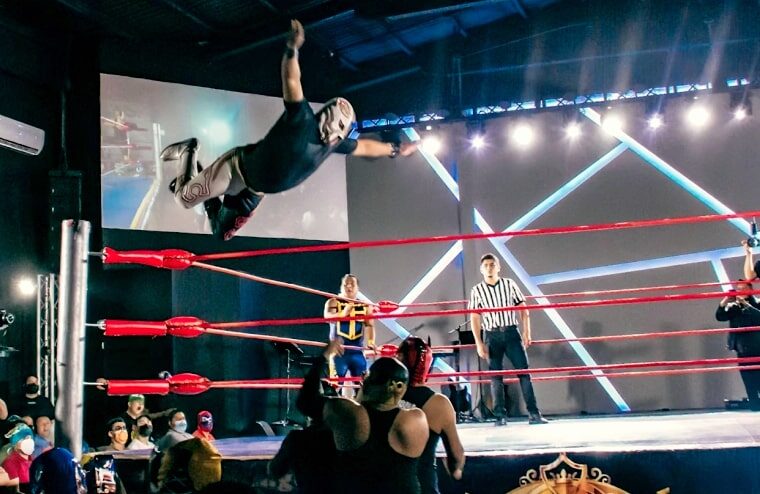
Independent wrestling has exploded in popularity over the past decade, thanks partly to social media, passionate fanbases, and wrestlers eager to build their names outside the mainstream. But fans see only a fraction of the action inside the ring. Behind every suplex and promo is a small team working tirelessly to bring the show to life.
Running an independent wrestling promotion is a logistical and creative balancing act. It’s an art form, a hustle, and a business rolled into one. From scouting talent to booking venues, from promoting events to dealing with last-minute no-shows, the indie scene is as raw and real behind the curtain as it is in the ring.
Interestingly, as indie wrestling has grown, so has its ecosystem — including fan forums, YouTube reviewers, and even the odd betting site offering odds on major indie events. While not every promotion gets this attention, it highlights how legitimate and mainstream these grassroots efforts have become.
Booking the Talent
The foundation of any wrestling show is the talent. Promoters must juggle availability, cost, character chemistry, and fan expectations. A good booker knows not just who’s available but how to tell a compelling story with the roster.
Many indie wrestlers work multiple shows each week across various states or countries. That means constant coordination, travel planning, and flexibility. A double-booked wrestler or unexpected injury can force a complete rewrite of the match card.
For indie promotions, there’s also a delicate balance between established names — often former TV stars brought in to sell tickets — and up-and-coming local talent. One draws the crowd; the other keeps them invested. And ideally, the show leaves fans remembering both.
The Venue Hustle
Booking a venue isn’t just about finding four walls and a ring. Indie promotions often run in unconventional spaces: high school gyms, VFW halls, community centers, and even parking lots.
Each location presents its own set of challenges—permits, insurance, lighting, seating, locker room access, and, of course, cost. Promoters need to consider acoustics for crowd reactions, sightlines for fans, and safety for both performers and attendees.
More than that, the venue sets the tone. A gritty warehouse gives off a different vibe than a polished event center. For hardcore fans, atmosphere is part of the allure — and for wrestlers, it affects how they perform.
Promoting the Promotion
Even the most stacked card won’t draw without a strong promotion. Indie wrestling lives and dies by word-of-mouth, local support, and online buzz. Social media is the lifeblood of indie shows: match graphics on Instagram, promos on Twitter, and teaser trailers on YouTube.
Promoters often wear multiple hats — acting as marketers, graphic designers, and content editors. Relationships with local media, podcasts, and influencers in the wrestling space can give a small show a big boost.
Flyers at comic shops and wrestling schools still work. So do local radio shout-outs. But in the digital age, a single viral clip can bring national attention to a once-unknown promotion. That’s why capturing and sharing quality video has become just as important as the matches themselves.
Merch and Monetization
Independent wrestling isn’t just about passion — it’s also a business. Ticket sales are the primary revenue stream, but merch plays a huge role, too. Wrestlers bring their own shirts, photos, and collectibles, often selling them before or after their matches.
Some promotions take a cut of merch sales; others don’t. Some handle concessions, raffles, or VIP packages. Creative monetization — like post-show meet-and-greets or Patreon-exclusive content — helps keep the lights on.
Live streaming has also opened new doors. Platforms like IWTV or YouTube allow fans worldwide to support local promotions, often for the first time. It’s another revenue stream, another fan engagement tool, and another logistical headache (internet at the venue, multiple cameras, live commentary).
Dealing With Chaos
Even the most meticulously planned show can go off the rails. A wrestler gets stuck in traffic. The ring ropes snap. A heel gets too much heat from the crowd. Indie promoters have to be part problem-solver, part improv comic.
Veteran promoters keep a “plan B” for every situation — and sometimes a plan C. A backup match. An extra ref. Someone who can cut a promo on the fly while the ring crew makes emergency repairs.
This unpredictability is part of the charm. Independent wrestling is rough around the edges, but that’s also why it connects. It’s live theater without a net — and everyone involved knows they’re building something special in real time.
The Passion Behind It All
Most independent promotions aren’t making anyone rich. Promoters often lose money on their early shows. Wrestlers drive hours for a handshake and hot dog. Crew members stay late to break down the ring, unpaid but smiling.
So why do it?
Because indie wrestling matters. It’s where stars are born. It’s where characters are tested. It’s where fans feel closest to the action, the stories, and the chaos. And for everyone behind the scenes, it’s a labor of love. If you ever find yourself at a local show, take a moment to look beyond the ring. Every light rig, entrance theme, and plastic folding chair was part of someone’s dream — and they’re making it real, one bump at a time.

- Why Is There A Sudden Rise Of Guest Personalities In Wrestling? - June 6, 2026
- How Wrestling & Rock Fans Keep Up With The Latest News Online - March 1, 2026
- Three Underdogs Who Redefined Pro Wrestling - December 3, 2025