

In recent months, numerous hard rock and heavy metal artists have debated the merits of streaming music services like Spotify and Apple Music. In an interview with Classic Rock, Ozzy Osbourne commented on Spotify and the challenges facing emerging new artists. “Spotify is a f*cking joke,” he said. “The royalty aspect of making music has gone right down the toilet. It’s a completely different world now. Before, you could do gigs and get spotted. Now, you buy a book on how to be a rock star, read it and go from there.”
On average, a spin on Spotify pays about $0.004 per playback, meaning that a song would have to be streamed around 250 times to earn $1. In other words, a million plays would net around $4,000. “So you have to stream a lot to get something out of it,” reads an article from FreeYourMusic.com earlier this year. “In addition, it doesn’t mean that all the money goes to the artists. They often also have to divide the money: a record label or a manager often wants to earn some profits. So then there’s not much left. There has been a lot of controversy regarding how much Spotify pays for royalties.”
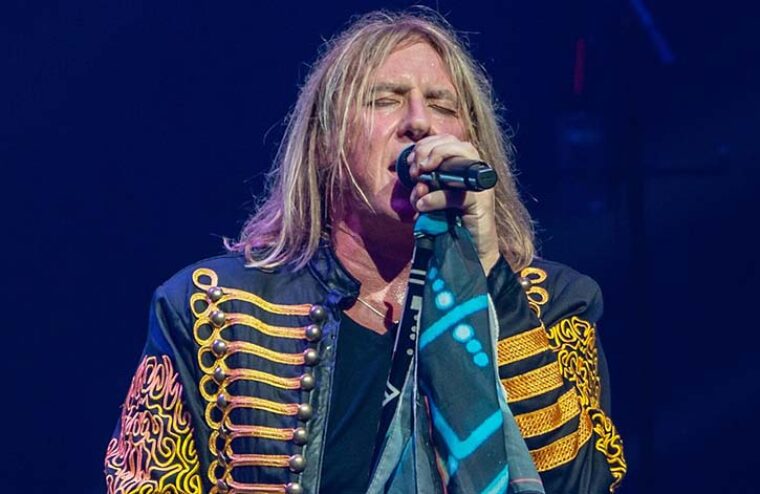
In a new interview with Goldmine, Def Leppard frontman Joe Elliott praised streaming services for the instant availability of information regarding how much fans are listening to an artist’s music. “You’ve gotta remember: We were one of the longest holdouts [from the digital music revolution],” Elliot said. “We didn’t announce our digital deal until me and Neal Schon were doing the promo for the Journey stadium tour in 2018, in January. And then because in the past I would have to ring our management and say, ‘How many copies has blah, blah, blah sold?’ ‘Oh, I’ll get back to you in two weeks’ and then have to call somebody, and they’d have to go flicking through a filing cabinet, looking for a sheet of paper. Now you get, ‘Do you wanna know how many times you were streamed this morning in Venezuela?’ We’ve got this instant information. And I was told the other day that we’re almost six billion streams since January ’18. I’m, like, ‘Wow, this is insane!’ You know, that’s not Taylor Swift or Adele territory, but for us, that’s pretty incredible, you know? And these things, again, they inspire you to just walk a little bit taller. And, also, you now realize that you’re streaming so massively in South America, that you pretty much got the tour booked around where you stream. This was the information that was always guesswork in the past. Now it’s the information highway.”
“And between streaming and social media, which you can pretty much tie together, hand in hand, we have this unique situation of having this perpetual vehicle. You don’t wait now until Thursday lunchtime for the music mags to come out, which is what we used to do in the U.K. We had Record Mirror, Disc, NME, Sounds, and they’d all come out Thursday. And they’d all pretty much have the same information, but you’d have to flick through it to see who’s on tour, what songs are being reviewed, and then put your order in to buy a copy of it. It’s totally different, but it’s just as exciting. I don’t think it’s as organic, but everything else, whether it’s gaming or music or news, any kind of information, the fact that it’s instant, it might get blasé. But at least you’ve only got two or three minutes to catch what you need to catch. You don’t have to wait till 10 o’clock for the news at 10 to come on, find out what’s going on in the world. You can sit on the loo, grab this, it’s Sky News and see what’s going on. [Laughs] And so from a musical point of view, it’s really helping all artists, I think, but I’m glad we held out because it made it give our back catalog a big bang when we finally announced it.”